
5 Reasons Why Every Creator Should Learn Video Editing

5 Reasons Why Every Creator Should Learn Video Editing Course in India
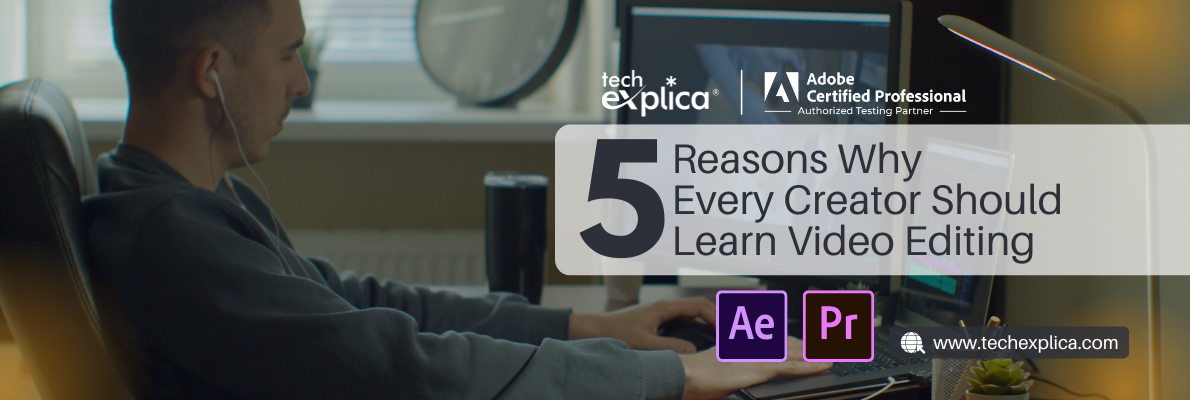
5 Reasons Why Every Creator Should Learn Video Editing In today’s fast-paced digital world, videos have become the most powerful way to tell stories, express creativity, and engage audiences. Whether you’re a YouTuber, influencer, designer, or marketer, video editing is no longer just a technical skill — it’s a creative superpower. Every successful creator today knows that how you present your content is just as important as the content itself. If you’re serious about building your brand, enhancing your storytelling, or growing your audience, learning video editing is one of the best decisions you can make. Let’s explore five solid reasons why every creator should learn video editing, followed by the top 10 best video editing institutes in India, career opportunities, jobs after learning, and a helpful FAQ section at the end. 1. Video Editing Helps You Tell Stories That Connect Emotionally Video editing is the art of storytelling. You may shoot amazing footage, but how you cut, arrange, and sync those clips determines the emotional impact. A skilled editor can transform raw clips into a compelling story that grabs attention and keeps viewers watching till the end. With editing, you can: Create mood and emotion using music, pacing, and transitions. Shape the narrative to highlight your message or brand. Build a stronger connection with your audience. Even for YouTubers or social media creators, editing defines your brand’s style. Jump cuts, color tone, and pacing are your signature — they make your content recognizable and memorable. 2. Control Your Creativity and Brand Identity When you depend on someone else to edit your videos, you often lose control over how your content feels. Learning video editing allows you to express your creativity exactly the way you imagine. You can experiment with: Different editing styles (cinematic, vlog, tutorial, documentary, etc.) Visual effects, graphics, and motion titles Your personal color grading and aesthetic By mastering tools like Adobe Premiere Pro, After Effects, DaVinci Resolve, or Final Cut Pro, you gain complete creative control. You can adapt trends quickly, maintain consistency, and build a brand identity that reflects you — not an editor’s vision. 3. Video Editing Is One of the Most In-Demand Skills Video content dominates every platform — from YouTube and Instagram Reels to corporate marketing and OTT platforms. Businesses, brands, and influencers are constantly seeking skilled video editors to create engaging content. According to recent studies, video will make up over 82% of all online traffic, meaning editors are in demand everywhere: YouTubers & influencers hire editors for content optimization. Brands hire editors for product promos and ad campaigns. Media houses need editors for web series, documentaries, and news. Agencies & startups hire editors for social media marketing. Learning video editing doesn’t just make you creative — it makes you employable. 4. Freelancing and Remote Job Opportunities One of the biggest perks of learning video editing is flexibility. You can work from anywhere, anytime. Video editors are among the most in-demand freelancers on platforms like Upwork, Fiverr, Freelancer, and Behance. Freelancers can earn ₹25,000–₹1,00,000 per project, depending on skill level and project complexity. Remote editing jobs are also available globally, allowing you to work for international clients without leaving your home. If you’re someone who loves independence, creativity, and flexible working hours — this is the perfect career path. 5. It Enhances Every Other Creative Skill Even if you’re not planning to become a full-time editor, video editing complements other creative skills: Graphic designers can make animated videos or reels. Marketers can create ad campaigns that convert. Content creators can repurpose long videos into short clips. Photographers can expand into cinematic storytelling. Learning video editing adds massive value to your existing skill set. It helps you stand out in any creative or marketing field. Top 10 Best Video Editing Institutes in India (2026) 1. Tech Explica – Pitampura, Delhi Tech Explica is one of the best institutes in Delhi for professional video editing. The course covers Adobe Premiere Pro, After Effects, DaVinci Resolve, and Motion Graphics. Students work on real-world projects, learn storytelling, transitions, and visual effects — with 100% placement assistance and portfolio development. Website: www.techexplica.com Location: Pitampura, Delhi 2. MAAC (Maya Academy of Advanced Cinematics) A leading name in multimedia and animation, MAAC offers advanced video editing and compositing courses with training in industry software like Premiere Pro and After Effects. 3. Arena Animation Arena’s courses in video editing and motion graphics are ideal for beginners who want to learn professional video production with real-time projects. 4. ZICA (Zee Institute of Creative Art) ZICA offers professional editing courses with practical learning in media production and film post-production. 5. Frameboxx Animation & VFX Frameboxx is known for its industry-focused curriculum, offering hands-on learning in editing, color grading, and VFX. 6. Pixel Institute of Photography, Delhi Pixel’s video editing program includes training in cinematic editing, sound design, and storytelling techniques, ideal for YouTubers and filmmakers. 7. IACG Multimedia College Located in Hyderabad, IACG offers specialized film editing courses integrated with animation and motion graphics. 8. Edit Institute, Mumbai Focused solely on video editing and compositing, Edit Institute provides short-term professional programs tailored for the film and TV industry. 9. Creative Hut Institute of Photography, Kerala Creative Hut’s film and editing courses combine theory and practical filmmaking with editing, sound, and post-production. 10. National Institute of Design (NID) For those looking for deep artistic and conceptual learning, NID offers advanced-level media design courses with editing as a key module. Career After Video Editing Course in Delhi The demand for skilled video editors is skyrocketing across industries — from entertainment and advertising to corporate communication and digital marketing. After learning video editing, you can build a career as: YouTube Content Editor Film/TV Video Editor Corporate Video Producer Motion Graphics Designer VFX or Compositing Artist Social Media Content Editor Freelance Editor or Video Creator With growing video consumption, every brand — from startups to large enterprises — needs professional editors. Creative professionals with storytelling and editing skills can easily build a rewarding career. … Read more

How Our Digital Marketing Course Prepares You for 100% Placement – Tech Explica

Digital Marketing Course in Delhi, Pitampura

The world has gone digital, and so have businesses. Whether it’s a small local shop or a multinational brand, everyone needs a strong online presence to survive and grow. This demand has created a huge career opportunity for skilled digital marketers. But the real question is—how do you learn these skills and get placed in the right job? At Tech Explica, one of the leading institutes in Delhi, we have designed a Digital Marketing Course with 100% placement support to help students, freshers, and professionals build successful careers in this fast-growing industry. In this blog, we’ll cover everything you need to know: What is Digital Marketing? Why is it important today? Who can join a Digital Marketing course? Why choose Digital Marketing after 12th? Key features of Tech Explica’s Digital Marketing Course Placement support and career opportunities Let’s begin. What is Digital Marketing? Digital Marketing refers to the promotion of products, services, or brands through online channels like search engines, social media platforms, websites, email, and mobile apps. Unlike traditional marketing methods (newspapers, billboards, TV ads), digital marketing allows businesses to: Reach global audiences instantly Target specific customers based on interests and demographics Track performance in real-time Save costs compared to traditional advertising The main components of digital marketing include: SEO (Search Engine Optimization): Getting websites ranked on Google. SMM (Social Media Marketing): Promoting through Facebook, Instagram, LinkedIn, etc. PPC (Pay Per Click): Paid ads on Google and social platforms. Content Marketing: Creating engaging blogs, videos, graphics. Email Marketing: Sending newsletters and promotional campaigns. Affiliate & Influencer Marketing: Collaborations to boost sales. In short, digital marketing is the backbone of modern business growth. Why is Digital Marketing Important? Every company wants to appear on Google and social media. The industry is growing rapidly—India’s digital ad market is expected to cross ₹50,000 crore soon. Demand for digital marketers is higher than the supply of skilled professionals. Offers high-paying jobs and freelancing opportunities. Allows global work opportunities with remote projects. This makes digital marketing one of the most future-proof careers today. Who Can Join a Digital Marketing Course? The best part about digital marketing is that anyone can learn it. Unlike other fields, it doesn’t require coding knowledge or a technical background. At Tech Explica, students from different walks of life join our course, including: 12th Pass Students: A great option to start your career early. College Students: Gain skills alongside graduation. Job Seekers: Build employable skills and secure placements. Working Professionals: Upgrade career and switch to a digital role. Entrepreneurs & Business Owners: Learn to promote their own businesses. So, whether you are fresh out of school, pursuing higher studies, or working, digital marketing is for you. Why Choose Digital Marketing After 12th? Many students are confused after 12th about what career path to choose. Traditional fields like engineering, medical, or commerce are not for everyone. Digital marketing is a modern, practical, and rewarding career option after 12th because: No specific degree is required. Affordable and short-duration courses (3 to 6 months). Immediate job opportunities with good salaries. Freedom to work as a freelancer or start your own agency. Continuous career growth as the digital industry keeps expanding. At Tech Explica, we have seen many 12th-pass students begin their careers early and secure placements right after completing the course. Key Features of Tech Explica’s Digital Marketing Course 1. Comprehensive Curriculum We cover all essential modules of digital marketing, including SEO, SEM, PPC, SMM, Google Ads, Email Marketing, Content Marketing, Influencer Marketing, Web Analytics, and more. 2. Hands-On Practical Training Students work on live projects like creating ad campaigns, optimizing websites, and managing social media accounts. This makes them industry-ready. 3. Expert Faculty Our trainers are experienced digital marketers who bring real-world insights into the classroom. They mentor students closely and provide career guidance. 4. Internships We provide internship opportunities where students work on real campaigns and build confidence by dealing with clients. 5. Portfolio & Resume Building Every student graduates with a professional portfolio showcasing their projects, which makes them stand out in interviews. 6. Soft Skills & Interview Training We provide training in communication, presentation, and interview skills so that students are prepared to face recruiters confidently. 7. 100% Placement Assistance Our dedicated placement cell connects students with companies, startups, and agencies. We assist until every student is placed. Career Opportunities After the Course After completing the Digital Marketing Course at Tech Explica, students can apply for various roles, such as: SEO Specialist Digital Marketing Executive Social Media Manager PPC Analyst Email Marketing Expert Content Marketer Digital Marketing Manager Salary packages range from ₹3 LPA to ₹8 LPA for freshers, and with experience, it can go much higher. Many students also choose freelancing and earn globally. Why Choose Tech Explica? Trusted institute in Delhi with years of experience. Industry-relevant and updated curriculum. Practical, project-based learning. Expert trainers with real experience. Internship and placement support. Affordable fee structure. Focus on overall personality and skill development. Conclusion Digital marketing is not just a course—it’s a career gateway to a fast-growing and rewarding industry. Whether you are a 12th-pass student, college student, job seeker, or entrepreneur, learning digital marketing can transform your future. At Tech Explica, we don’t just train students—we prepare them for success with 100% placement support. From learning skills to securing jobs, we guide you at every step. So if you are ready to enter the digital world, Tech Explica is your perfect partner. Enroll today and build your career in one of the most in-demand industries of our time!

Discover the future of Video Editing Course with AI

Future of Video Editing Course with AI

Future of Video Editing: AI, Trends, and Career Growth Video has become the most powerful form of communication in today’s digital age. From short TikTok clips and YouTube vlogs to corporate films and cinematic masterpieces, videos dominate how people consume information and entertainment. Behind every successful video lies the creativity and technical skill of video editors. But as technology advances, particularly with the rise of Artificial Intelligence (AI), the world of video editing is evolving rapidly. New tools, trends, and workflows are transforming the industry. For students, professionals, and aspiring creators, understanding these changes is essential to building a successful career in video editing. In this blog, we’ll explore how AI is shaping the future of video editing, the latest trends driving the industry, and the exciting career opportunities ahead. Why Video Editing Matters More Than Ever Before diving into the future, it’s important to recognize why video editing is so significant today: Global Video Consumption: Over 82% of internet traffic is video content. Platforms like YouTube, Instagram, and Netflix rely heavily on high-quality editing. Marketing & Branding: Businesses invest in video marketing because edited videos grab attention, increase engagement, and drive sales. Education & Training: Online courses, tutorials, and e-learning modules depend on professionally edited videos to deliver knowledge effectively. Entertainment Industry: Films, OTT platforms, music videos, and advertisements all demand expert editors to bring stories to life. Clearly, video editing is not just a creative skill—it’s a career that touches almost every industry. How Artificial Intelligence (AI) is Transforming Video Editing AI is no longer a buzzword—it’s a game-changer in creative industries. In video editing, AI tools are revolutionizing workflows by saving time, reducing effort, and enhancing creativity. 1. Automated Editing AI-powered platforms like Runway, Pictory, and Magisto can automatically cut, trim, and sync clips to music, making editing faster for beginners and content creators. 2. Smart Object Removal With AI, editors can remove unwanted objects, people, or backgrounds seamlessly—something that once required hours of manual work. 3. Speech-to-Text & Captions Tools like Descript and Adobe Premiere Pro AI features automatically generate subtitles, captions, or even edit videos directly by editing the transcript. 4. Color Grading & Enhancement AI algorithms can adjust lighting, enhance resolution, and even apply cinematic color grades with a single click. 5. Generative AI in Video Generative AI is creating entirely new possibilities—AI can now generate stock footage, animations, or even entire short clips, saving time and costs in production. 6. Personalized Content Creation AI can analyze viewer preferences and automatically suggest or create personalized video edits for marketing, social media, or e-learning. Key Trends Shaping the Future of Video Editing Apart from AI, several major trends are shaping how video editing will evolve in the coming years. 1. Rise of Short-Form Content Platforms like TikTok, Instagram Reels, and YouTube Shorts have made short, engaging videos the hottest trend. Editors now need to master creating punchy, eye-catching edits in under 60 seconds. 2. Vertical Video Editing With mobile-first audiences, vertical videos (9:16 format) are in high demand. Editors must adapt to new aspect ratios for maximum reach. 3. Virtual & Augmented Reality (VR/AR) Editing As VR and AR grow, editors will work on immersive experiences, creating 360° videos and interactive content. 4. Cloud-Based Editing Tools like Frame.io and Blackmagic Cloud allow teams to collaborate online, making editing faster and more accessible from anywhere. 5. AI-Powered Stock Footage & Templates Pre-designed templates and AI-generated stock assets are speeding up editing workflows, especially for businesses and marketers. 6. Interactive Videos Future editing will involve creating shoppable, clickable, and interactive videos where viewers control their journey. 7. Mobile Editing Boom Powerful mobile apps like CapCut, VN, and Kinemaster are empowering creators to edit professional-quality videos directly from their phones. Skills Video Editors Need for the Future To stay relevant, video editors must go beyond traditional editing. The future requires a blend of creative and technical skills: AI & Automation Tools: Learn how to use AI-based editing software effectively. Motion Graphics & VFX: Adding graphics, animations, and effects enhances storytelling. 3D & AR/VR Skills: Knowledge of immersive editing tools will open new career paths. Storytelling & Creativity: No matter how advanced AI becomes, human creativity and narrative skills remain irreplaceable. Software Mastery: Adobe Premiere Pro, After Effects, Final Cut Pro, DaVinci Resolve, and AI tools. Social Media Trends: Editors should adapt content for TikTok, Instagram, and YouTube audiences. Career Growth Opportunities in Video Editing The demand for skilled video editors is only increasing. Let’s explore the major career opportunities: 1. Film & Television Traditional yet thriving—editors shape movies, TV shows, and documentaries. 2. Advertising & Marketing Agencies Brands need editors for commercials, digital ads, and promotional content. 3. Social Media & Content Creation Influencers, YouTubers, and businesses rely on editors for short-form and long-form content. 4. OTT Platforms (Netflix, Prime, Disney+) Streaming services need editors for web series, films, and original content. 5. Corporate Sector Companies hire editors for training videos, product demos, and corporate films. 6. Freelancing & Entrepreneurship Editors can work independently, offering services worldwide through platforms like Fiverr and Upwork. 7. Gaming Industry Video editors and motion designers are needed for trailers, esports highlights, and in-game content. Salary and Earnings in Video Editing Beginners in India: ₹2.5 – ₹4 LPA (entry-level positions). Mid-level Editors: ₹5 – ₹10 LPA with 2–5 years of experience. Senior/Creative Leads: ₹12 LPA+ in agencies, OTT, or film industries. Freelancers: Can earn ₹50,000 – ₹2,00,000+ per month depending on clients. Globally, video editors earn between $45,000 to $80,000 annually, with higher salaries in film and advertising. How to Start a Career in Video Editing Get the Right Training: Enroll in a professional video editing course (offline or online). Learn Tools & Software: Master Premiere Pro, After Effects, Final Cut, and DaVinci Resolve. Build a Portfolio: Create demo reels showcasing your editing skills. Internships & Freelance Work: Gain real-world experience through projects and collaborations. Stay Updated: Follow industry trends, AI tools, and editing techniques. Networking: Connect with professionals on LinkedIn, Behance, … Read more

Top 10 Real-World Applications of Python You’ll Learn in Our Course

Python Programming Course in Delhi

Real-World Applications of Python You’ll Learn At Tech Explica Python has grown to become one of the most popular programming languages in the world. Its simplicity, readability, and versatility make it a favorite among beginners and professionals alike. At Tech Explica, our Python Course is designed not only to teach you the syntax and logic of Python but also to help you apply it to real-world scenarios. By the end of the course, you’ll have the knowledge and skills to create projects that solve real problems, boost career opportunities, and align with industry demands. In this blog, we’ll explore the Top 10 Real-World Applications of Python that you will learn during our course and how they will prepare you for an exciting future in technology. 1. Web Development Python is widely used in web development, thanks to frameworks like Django, Flask, and FastAPI. These frameworks allow developers to build scalable, secure, and dynamic websites quickly. At Tech Explica, you’ll learn: How to create interactive web applications Integrating databases with Python Building APIs using Flask or Django Real-World Example: Instagram and Pinterest were built using Django, showing Python’s capability to support massive platforms. Career Benefit: You can become a web developer, backend developer, or full-stack developer, with high demand across industries. 2. Data Science & Data Analysis Python is the backbone of data science and analytics. Libraries like Pandas, NumPy, and Matplotlib make it easier to process, analyze, and visualize data. At Tech Explica, you’ll practice: Cleaning and organizing raw datasets Performing statistical analysis Visualizing insights using charts and graphs Real-World Example: Companies like Netflix and Spotify rely heavily on Python for analyzing user behavior to improve recommendations. Career Benefit: Jobs like data analyst, data scientist, and business intelligence professional are waiting for skilled Python learners. 3. Artificial Intelligence (AI) & Machine Learning (ML) AI and ML are shaping the future, and Python is at the center of it. With libraries like Scikit-learn, TensorFlow, and PyTorch, developers can build powerful models. In our course, you’ll learn: How to build predictive models Understanding supervised vs. unsupervised learning Training algorithms to solve real-world problems Real-World Example: Google uses TensorFlow (built on Python) for voice recognition, search optimization, and AI-driven services. Career Benefit: Become a machine learning engineer or AI specialist, among the highest-paying jobs today. 4. Automation & Scripting Python is often called the “automation language” because of its ability to simplify repetitive tasks. You’ll practice: Writing scripts to automate file handling Web scraping to extract data Automating reports and email tasks Real-World Example: Businesses use Python automation for generating invoices, updating spreadsheets, and even scraping competitors’ data. Career Benefit: Automation experts save companies time and resources, making you an invaluable asset. 5. Game Development Python also finds applications in game development using libraries like Pygame. At Tech Explica, you’ll learn: Basics of building 2D games Implementing game logic Handling graphics and sound Real-World Example: Games like “Civilization IV” and parts of “Battlefield 2” were developed using Python. Career Benefit: While not the biggest industry for Python, game development adds creativity to your portfolio and enhances problem-solving skills. 6. Web Scraping & Data Mining Web scraping is an essential skill in today’s data-driven world, and Python makes it easy. You’ll work on: Using libraries like BeautifulSoup and Scrapy Extracting real-time data from websites Converting raw data into usable insights Real-World Example: Price comparison websites like Trivago use scraping to update hotel and travel prices. Career Benefit: Data collection and analysis skills are in demand for roles like market researchers and business analysts. 7. Cybersecurity Python is widely used in cybersecurity for penetration testing, network analysis, and building security tools. Our course covers: Basics of ethical hacking with Python Creating scripts for security testing Automating log analysis Real-World Example: Cybersecurity experts use Python scripts to scan systems for vulnerabilities. Career Benefit: You can pursue roles as a cybersecurity analyst or ethical hacker, both high-demand professions. 8. Desktop Application Development Python supports desktop application development using frameworks like Tkinter and PyQt. You’ll learn: Building GUI-based applications Designing forms and dashboards Integrating databases with desktop apps Real-World Example: Applications like Dropbox were initially developed using Python. Career Benefit: You can build custom applications for businesses, becoming a software developer or freelancer. 9. Internet of Things (IoT) Python is also popular in the IoT domain. It can connect hardware devices, sensors, and systems. You’ll practice: Writing Python code for Raspberry Pi Controlling sensors and devices Collecting IoT data for analysis Real-World Example: Smart devices like thermostats and fitness trackers use Python-based systems. Career Benefit: IoT developers are in demand in industries like healthcare, automotive, and manufacturing. 10. Cloud Computing & DevOps Python is widely used in cloud platforms (AWS, Google Cloud, Azure) and DevOps automation. At Tech Explica, you’ll explore: Automating deployment tasks Writing scripts for cloud management Using Python with Docker and Kubernetes Real-World Example: AWS provides SDKs for Python (Boto3) to automate cloud infrastructure. Career Benefit: Skilled professionals can work as cloud engineers or DevOps specialists. Why Learn These Applications at Tech Explica? At Tech Explica, we believe in hands-on learning. Our Python course doesn’t stop at theory—we help you apply Python in real-world projects. You’ll gain experience in multiple industries, from IT to finance, marketing, healthcare, and more. Key Highlights of Our Python Course: Beginner-friendly to advanced learning path Real-world projects and case studies Industry-standard tools and libraries Expert trainers with real-time experience 100% placement assistance Conclusion Python is not just a programming language—it’s a gateway to multiple industries and career opportunities. From web development and AI to cybersecurity and IoT, Python skills are highly valued across the globe. By enrolling in the Python Course at Tech Explica, you’ll not only master the fundamentals but also gain the confidence to work on projects that mirror real-world challenges. Whether you’re a student, job seeker, or professional looking to upskill, Python will open doors to countless opportunities. Join Tech Explica today and take your first step towards becoming a Python expert.

Graphic Design Course 2026: Learn, Create, and Launch Your Creative Career

Graphic Design Course in Pitampura Delhi

In today’s visually driven world, graphic design has become the heartbeat of branding, marketing, and communication. From eye-catching social media posts to engaging website layouts and memorable logos, design is everywhere. As we step into 2026, the demand for skilled graphic designers is only increasing, fueled by the rapid growth of digital platforms, AI tools, and immersive technologies like augmented and virtual reality. Whether you are a student fresh out of school, a working professional looking to switch careers, or an entrepreneur wanting to strengthen your visual branding skills, a Graphic Design Course in 2026 can be your gateway to a fulfilling and creative profession. This blog will walk you through why learning graphic design now is more important than ever, what you can expect in a cutting-edge 2026 course, the skills you’ll gain, career opportunities, and tips to launch a successful creative career. Why Learn Graphic Design in 2026? The year 2026 brings exciting opportunities for aspiring designers. Here’s why: Booming Digital Content ConsumptionSocial media, e-commerce, and online entertainment platforms are growing faster than ever. Businesses need visually appealing graphics to grab attention and communicate effectively. Rise of AI-Assisted DesignArtificial Intelligence tools can speed up repetitive tasks, but human creativity and strategic thinking remain irreplaceable. Designers who understand how to use AI to enhance, not replace, their creativity will thrive. Remote Work OpportunitiesGraphic design is a skill that can be practiced anywhere. The rise of remote work means you can collaborate with clients from across the globe without leaving your home. Cross-Industry DemandFrom healthcare to fashion, tech to education—every industry needs design to connect with their audience. Higher Earning PotentialSkilled designers with an updated portfolio and software expertise can earn competitive salaries or charge premium rates as freelancers. What Makes a 2026 Graphic Design Course Different? Graphic design education in 2026 isn’t just about learning Photoshop or Illustrator. It’s about preparing for a future-ready career that blends creativity, technology, and strategy. Key Features of a 2026 Graphic Design Course: AI-Powered Design Tools – Learn to integrate AI for brainstorming concepts, generating design elements, and automating workflows. Cross-Platform Design Skills – Create assets for web, print, mobile apps, and immersive experiences like VR/AR. Interactive Learning – Use virtual classrooms, live projects, and design simulations for hands-on learning. Industry Collaborations – Work on real client projects and internships for practical exposure. Portfolio Development – Graduate with a professional portfolio showcasing your strongest work. Core Skills You’ll Learn A well-structured graphic design course in 2026 will cover both creative and technical skills. 1. Design Fundamentals Principles of design: balance, contrast, alignment, proximity, and repetition. Understanding color theory, typography, and composition. How to convey emotions and messages visually. 2. Software Mastery Adobe Creative Cloud (Photoshop, Illustrator, InDesign, After Effects). Figma, Canva, and CorelDRAW. AI-based design tools like Adobe Firefly and MidJourney. 3. Branding and Visual Identity Creating brand guidelines. Designing logos, brand color palettes, and visual styles. Understanding brand psychology and storytelling. 4. UI/UX Design Designing for websites, mobile apps, and digital products. Wireframing and prototyping. Usability testing and user-centered design. 5. Motion Graphics and Animation 2D animation for explainer videos. Intro to 3D modeling for immersive media. Animating social media ads and banners. 6. Print and Packaging Design Designing brochures, posters, business cards. Creating appealing product packaging. Prepress and printing processes. 7. Creative Thinking & Concept Development Brainstorming techniques. Storyboarding and sketching. Translating concepts into visuals. Career Opportunities After a Graphic Design Course in 2026 Graphic design is one of the few fields where your skills are in demand across industries. After completing a course, you can explore roles such as: Graphic Designer – Create marketing materials, brand identities, and more. UI/UX Designer – Design interactive and user-friendly digital products. Motion Graphic Artist – Work in advertising, entertainment, and gaming industries. Brand Identity Designer – Build complete brand visual strategies. Packaging Designer – Design product packaging for retail and e-commerce. Social Media Content Designer – Create engaging content for Instagram, Facebook, YouTube, and TikTok. Freelance Designer – Work independently with clients worldwide. The global design industry is projected to grow significantly, and with the right skills, you can position yourself for both stability and creative freedom. How to Choose the Best Graphic Design Course in 2026 With so many training options available—online, offline, and hybrid—choosing the right course can be overwhelming. Here’s what to look for: Updated Curriculum – Ensure it covers AI tools, immersive media design, and cross-platform adaptability. Experienced Faculty – Learn from industry professionals with a strong portfolio. Hands-On Projects – Look for courses that offer live projects and internships. Portfolio Support – The institute should help you build a professional portfolio. Placement Assistance – Good institutes partner with companies for job placements. Tips to Launch Your Creative Career After the Course Once you’ve completed your training, here’s how to kickstart your career: Build a Strong Portfolio – Showcase a variety of work: branding, print, digital, and motion graphics. Network Actively – Join design communities, attend creative events, and connect with professionals. Freelance for Experience – Take up small projects to build credibility. Stay Updated – Keep learning new tools and trends to remain relevant. Promote Yourself Online – Create a personal brand and share your work on platforms like Behance, Dribbble, and LinkedIn. The Future of Graphic Design Careers By 2026, graphic designers will not only create visuals but also collaborate with AI, work in virtual worlds, and design for experiences beyond screens. The ability to adapt to new tools and trends will be the key to staying ahead. If you’re passionate about art, storytelling, and technology, graphic design offers a rewarding career path. A good course will help you master the tools, understand the principles, and apply your creativity in ways that make a real impact. Final ThoughtsA Graphic Design Course in 2026 is more than just a learning program—it’s a launchpad for a thriving career in the creative industry. With the right training, a strong portfolio, and the willingness to keep evolving, you can turn … Read more

Python Development Course for Beginners: Learn to Code, Automate, and Build Real Projects

Best Python Beginners course in Pitampura

In today’s fast-paced digital world, learning to code isn’t just for software engineers—it’s a powerful skill for anyone who wants to thrive in the modern economy. Whether you’re a student, a working professional, or a hobbyist, learning Python can open doors to countless opportunities in tech, automation, data science, AI, and web development. If you’re just starting out, a Python Development Course for Beginners is the perfect gateway to enter the programming world. In this blog, we’ll explore what Python is, why it’s ideal for beginners, and how a structured course can help you learn to code, automate tasks, and build real-world projects from scratch. What is Python? Python is a high-level, general-purpose programming language known for its simplicity, readability, and versatility. Developed by Guido van Rossum and released in 1991, Python has grown to become one of the most widely-used languages in the world. It is used in: Web development (e.g., Django, Flask) Data science and machine learning Automation and scripting Game development Artificial intelligence Cybersecurity Mobile and desktop app development Because of its clean syntax and supportive community, Python is often the first language recommended for beginners. Why Choose Python as a Beginner? Python is not only powerful but also beginner-friendly. Here’s why it’s the perfect first programming language: 1. Easy to Learn and Read Python’s syntax is close to English. You don’t need to memorize complex symbols or syntax rules. For example: python CopyEdit print(“Hello, World!”) It’s that simple! 2. Versatile Applications From automating daily tasks to building websites and analyzing data, Python can do it all. 3. Large Community & Resources You’ll find tons of tutorials, documentation, forums, and communities to support your journey. 4. Job Opportunities Python is in high demand. Major companies like Google, Netflix, Instagram, and Spotify use Python in their tech stack. What Does a Beginner Python Development Course Include? A good Python development course is structured in a way that takes you from absolute beginner to a confident programmer who can build working projects. Here’s what a comprehensive beginner course should cover: 1. Python Basics Introduction to Python Installing Python and setting up IDEs (like PyCharm, VS Code) Data types (int, float, string, boolean) Variables and operators Conditional statements (if, else, elif) Loops (for, while) 2. Functions and Modules Creating functions Built-in vs user-defined functions Importing and creating modules 3. Data Structures in Python Lists, tuples, sets, dictionaries List comprehensions Iterating over data structures 4. File Handling Reading from and writing to text and CSV files Working with file paths and directories 5. Exception Handling Try, except blocks Catching errors gracefully Debugging tips 6. Object-Oriented Programming (OOP) Classes and objects Inheritance and polymorphism Encapsulation and abstraction 7. Automation Using Python Automating tasks like renaming files, sending emails Web scraping using BeautifulSoup or Selenium Automating Excel or PDF reports 8. Introduction to Real-World Libraries NumPy and Pandas (for data) Flask (for web development) Tkinter (for GUI apps) Requests (for working with APIs) 9. Final Projects Hands-on projects that reinforce everything you’ve learned, such as: A to-do list app A web scraper A calculator An automation script for renaming files A personal blog using Flask Python Development Course at Tech Explica (Delhi) If you’re looking to start your coding journey, Tech Explica’s Python Development Course in Pitampura, Delhi is ideal for absolute beginners. Course Details: Course Name: Python Programming for Beginners Duration: 2–3 Months Mode: Offline / Online Location: Pitampura, North Delhi Eligibility: 10th/12th pass, graduates, working professionals, or anyone interested in coding Tools Used: Python, VS Code, Jupyter Notebook Project Work: Yes Certification: Yes (Tech Explica & Internship Experience Letter) Placement Assistance: Available Career Opportunities After Completing the Course Even a basic knowledge of Python opens doors to exciting career paths: Entry-Level Jobs: Python Developer (Junior) Data Entry with Python Automation QA Tester (with Python scripting) Web Assistant (Flask/Django-based) Python Automation Support  Long-Term Roles (With Experience): Full Stack Developer (Python + JavaScript) Data Analyst / Data Scientist AI/ML Engineer Backend Developer DevOps Engineer (Python scripting) Expected Salary After Python Course Experience Level Job Role Average Salary (INR/year) Fresher Python Developer (Junior) ₹2.5 – ₹4.5 LPA 1–3 Years Backend Developer ₹5 – ₹7 LPA 3–5 Years Data Analyst / Automation ₹6 – ₹10 LPA 5+ Years AI/ML / Lead Developer ₹10 – ₹20+ LPA Freelancers and remote developers can earn per project basis, often between ₹10,000 to ₹1,00,000+ per month depending on skills and clients. What Makes Tech Explica’s Course Unique? Beginner-Friendly CurriculumStep-by-step learning with live examples. Expert FacultyLearn from experienced mentors and developers. Practical TrainingReal projects, weekly coding challenges, and portfolio building. Career SupportResume prep, mock interviews, internships, and job guidance. Certification & Internship LetterHelps in job interviews and further studies. Who Should Join a Python Development Course? Students wanting to get into IT or coding early Job seekers looking to switch to tech Working professionals wanting to automate tasks Freelancers looking to offer web or automation services Entrepreneurs wanting to build MVPs and websites Tips to Succeed as a Python Learner Practice Daily – Even 30 mins of coding daily helps. Start Projects Early – Apply what you learn immediately. Break Problems Down – Think logically, step-by-step. Use Online Resources – Stack Overflow, W3Schools, GeeksforGeeks. Never Fear Errors – Errors are part of the learning process. Stay Curious – Keep learning new libraries and tools.  Final Words In 2025 and beyond, Python is more than a language—it’s a gateway to automation, smart technology, and modern careers. Whether you want to be a developer, analyst, freelancer, or innovator, Python is the starting point. A structured Python Development Course for Beginners not only teaches you to write clean code but helps you automate real-life tasks and build working applications that make a difference. With the right guidance and practice, you can go from zero to confident coder. So, what are you waiting for?Join the Python wave today—code your future with Tech Explica!

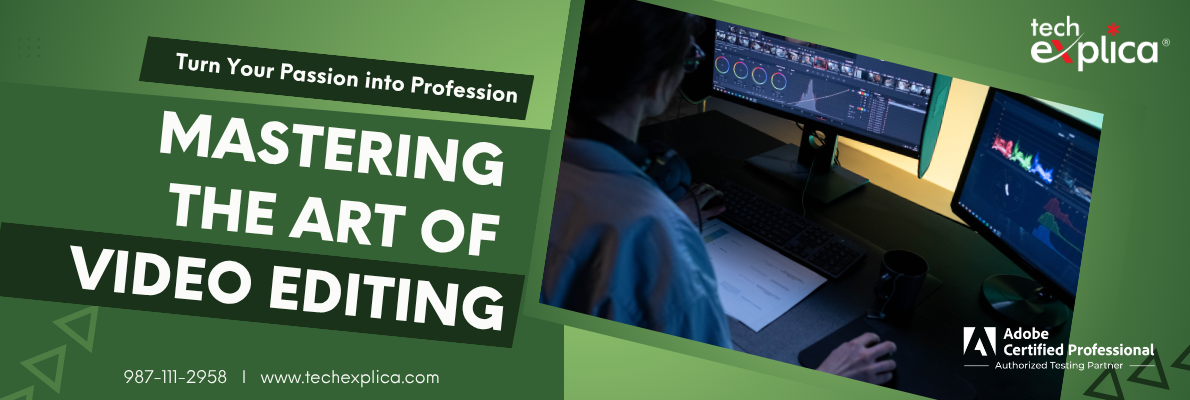
Turn Your Passion into Profession: Best Video Editing Courses to Start in 2026

Best Video Editing Course in Pitampura

In today’s digital-first world, video content is booming across platforms like YouTube, Instagram, Netflix, and corporate communication channels. With this explosion in content creation, video editing has transformed from a hobby into a high-demand profession. If you have a creative mind, love storytelling, and enjoy working with visuals, video editing is a powerful career path to explore in 2026. In this blog, we will walk you through everything you need to know about Video Editing Courses, including the best institutes, course fees, placement support, salary prospects, and how to turn your passion into a sustainable profession. What is Video Editing? Video editing is the art and science of rearranging video shots to create a final product that tells a story, delivers a message, or captures attention. It includes: Cutting and joining clips Adding transitions, effects, and animations Syncing audio and video Color grading and corrections Working with special effects or 3D elements From films and music videos to reels and online ads, video editing plays a central role in the content we consume daily. Why Choose Video Editing as a Career? High Demand: The demand for skilled video editors is skyrocketing across industries. Creative Freedom: You can experiment with visuals, music, and effects to create something unique. Freelancing Opportunities: Work from home with clients globally. Diverse Sectors: Work in advertising, film, YouTube, OTT, events, or even gaming. Attractive Salaries: With experience and a good portfolio, editors can earn handsomely. Best Video Editing Institutes in Pitampura, Delhi to Start in 2026 Here’s a list of top training institutes offering video editing courses with practical exposure and placement support: 1. Tech Explica – Pitampura, Delhi Course Name: Professional Video Editing & Motion Graphics Duration: 6 Months Fee: ₹45,000 – ₹55,000 Modules Covered: Adobe Premiere Pro After Effects Final Cut Pro Color Grading with DaVinci Resolve Sound Editing with Audition YouTube Content Creation Mode: Offline & Hybrid Placement: 100% Assistance Job Roles: Video Editor, Motion Graphics Artist, Content Creator Average Salary: ₹2.4 – ₹4.5 LPA (Freshers), up to ₹10 LPA (Experienced) Website: www.techexplica.com | www.techexplica.in 2. MAAC (Maya Academy of Advanced Cinematics) Locations: Multiple (Delhi, Mumbai, Bangalore, Kolkata) Course: Broadcast Plus / AD3D EDGE Plus Duration: 12 Months Fee: ₹1.2 – ₹1.8 Lakhs Modules: Editing tools: Adobe Suite, FCP Compositing & VFX Advanced Video Techniques Placement: Yes (dedicated cell) Average Salary: ₹3 – ₹5 LPA Website: www.maacindia.com 3. Zee Institute of Creative Arts (ZICA) Locations: Pune, Mumbai, Lucknow, Indore Course: Diploma in Film Editing Duration: 6–8 Months Fee: ₹70,000 – ₹1,20,000 Tools Covered: Premiere, Final Cut Pro, Audition, After Effects Placement: ZICA offers tie-ups with production houses Website: www.zica.org 4. Arena Animation Course Name: Video Editing & Post Production Duration: 8–12 Months Fee: ₹90,000 – ₹1.5 Lakhs Highlights: Portfolio building Soft skills & mock interviews Salary Range: ₹2 – ₹5 LPA Website: www.arena-multimedia.com 5. Editing Institute Mumbai Specialization: Focused on hands-on professional editing Duration: 3 Months Fast-track Program Fee: ₹35,000 – ₹50,000 Tools Taught: FCPX, DaVinci, Adobe Placement: Freelancing & Production Tie-ups Website: www.editinginstitute.in What Will You Learn in a Video Editing Course? A well-structured video editing course covers: Editing Software Training: Adobe Premiere Pro Final Cut Pro (FCP) Adobe After Effects DaVinci Resolve Adobe Audition Fundamentals: Editing techniques (L-cut, J-cut, match cuts) Transitions and effects Green screen and keying Color grading and correction Motion graphics and lower-thirds Practical Projects: Editing short films Ad-making Instagram reels YouTube videos Documentaries and vlogs Portfolio Development: Each student builds a showreel to showcase skills Job Roles After Video Editing Course in Delhi Once trained, you can apply for various job roles such as: Video Editor Motion Graphics Designer Post-Production Executive YouTube Channel Editor Wedding Video Editor Colorist Trailer/Teaser Editor Freelance Content Creator Expected Salary in 2026 Here’s an estimate of salary based on experience: Experience Level Salary Range (INR/Year) Freshers (0–1 Yrs) ₹2.0 – ₹3.5 LPA Mid-Level (2–4 Yrs) ₹4 – ₹6 LPA Senior Editors (5+ Yrs) ₹6 – ₹10+ LPA Freelancers ₹20,000 – ₹1,00,000+ per project Note: Salary also depends on location, creativity, portfolio, and software expertise. Placement and Career Support Most reputed institutes provide: Resume and showreel support Mock interviews Internships with production houses or agencies Freelance client handling guidance Industry networking with alumni & experts Institutes like Tech Explica, MAAC, and Arena Animation have dedicated placement cells with tie-ups in the film and media industry. Can You Work Internationally? Absolutely. With remote freelancing platforms like Upwork, Fiverr, and Freelancer, Indian video editors work with clients from the US, UK, Europe, and Australia. Proficiency in English, communication, and deadline handling makes you highly valuable globally. You can also apply for editing roles in: Media Production Companies YouTube Creator Studios Ad Agencies Film Studios E-learning companies OTT platforms like Netflix, Amazon Prime, Disney+ Tips to Turn Passion into a Full-Time Editing Career Choose the Right Institute: Go for one with hands-on training, placement support, and real projects. Build a Killer Portfolio: Show variety – wedding, music, vlog, ads, interviews, etc. Learn Continuously: New plugins, software, and AI tools are launching rapidly. Start Freelancing Early: Use platforms like Fiverr, Behance, and Instagram. Create Your Own YouTube Channel: Build credibility and showcase skills. Network with Creators: Connect with videographers, content creators, influencers. Who Should Join a Video Editing Course? 12th Pass Students looking for creative careers College Students wanting part-time income YouTubers/Reel Creators looking to enhance production Event Photographers adding value with edited videos Professionals wanting to switch to media/entertainment Best Time to Start? NOW in 2026 With AI tools entering editing workflows (like auto-cutting, syncing, color balance), 2026 will be a revolutionary year for video editors. Learning the fundamentals and software now will give you a strong edge in the competitive landscape. Final Thoughts Video editing is more than just a skill — it’s a career that blends creativity with technology. If you’re passionate about storytelling, visuals, and working behind the scenes, a course in video editing can unlock a world of opportunities. Whether you dream of editing Bollywood trailers, managing YouTube channels, working in … Read more

UI/UX Design Course Guide: Learn Skills That Top Tech Companies Want in 2026

UI UX course in Pitampura delhi

In the digital age, user experience is everything. Whether it’s a mobile app, a website, or a smart device interface—what truly sets a product apart is how intuitive, seamless, and enjoyable it is to use. That’s why UI/UX designers are in high demand across top tech companies globally. From Google and Apple to Zomato and Swiggy, every tech-driven business needs skilled UI/UX designers who can craft outstanding digital experiences. If you’re passionate about design, technology, and solving real-world problems creatively, then a UI/UX Design Course is your perfect entry point into this exciting field. And as we approach 2026, now is the best time to build the skills that top employers are actively seeking. In this guide, we’ll cover everything you need to know: What is UI/UX Design? Why UI/UX is important Skills you’ll learn in a UI/UX Design Course Career opportunities in 2026 Best tools to master Where to learn: Top UI/UX Design Course in Delhi What is UI/UX Design? Let’s break it down: UI (User Interface) design is about how a digital product looks. It focuses on layouts, colors, typography, icons, buttons, animations, and overall aesthetic appeal. UX (User Experience) design is about how a product feels and functions. It involves research, strategy, wireframes, usability testing, and ensuring the product is easy, intuitive, and satisfying to use. Together, UI and UX design ensure that users not only find a product attractive but also enjoyable and efficient to interact with. Why UI/UX Designers Are in Demand The global digital transformation is accelerating. As businesses move online, the need for well-designed digital experiences is exploding. Poor UX leads to lost customers, while great UX boosts conversions, retention, and brand loyalty. According to LinkedIn, UI/UX design is one of the top 10 in-demand skills globally. Companies like Amazon, Microsoft, Adobe, Byju’s, and Paytm are constantly hiring UX designers, researchers, and UI specialists. By 2026, the demand for UI/UX professionals in India alone is expected to grow by 20% annually, making it one of the most promising careers for creative tech enthusiasts. Skills You’ll Learn in a UI/UX Design Course A professional UI/UX Design Course is structured to teach you the complete design process—from idea to launch. Here’s what you’ll typically learn: 1. Design Thinking & Problem Solving Understand the user’s needs and pain points Empathize, define, ideate, prototype, and test Apply real-world frameworks used by top design teams 2. User Research & Personas Conduct surveys, interviews, and usability tests Create user personas and journey maps Use insights to design better experiences 3. Information Architecture (IA) Organize content and structure logically Design site maps, navigation systems, and content flow 4. Wireframing & Prototyping Use low and high-fidelity wireframes to map out interfaces Create clickable prototypes using tools like Figma and Adobe XD Test design flow before development begins 5. User Interface (UI) Design Typography, spacing, colors, and visual hierarchy Buttons, forms, icons, and animations Mobile-first and responsive design practices 6. Usability Testing & Feedback Test designs with real users Identify friction points and improve functionality Analyze feedback to refine the final design 7. Tools & Platforms Figma: The most widely used interface design tool Adobe XD: Great for prototyping and wireframes Sketch: Popular in Mac environments InVision: Useful for collaboration and testing Miro: Ideal for remote design thinking and collaboration Bonus Skills That Top Companies Want in 2026 To stand out in the competitive landscape, here are some bonus skills you should aim to develop: HTML/CSS Basics: While not mandatory, knowing how your designs translate into code gives you an edge. Micro-animations: Learn to create subtle animations that improve user delight. Accessibility (a11y): Designing for users with disabilities is now a global priority. Voice UI: With the rise of smart assistants, voice interface design is a growing skill. AI in UX: Understanding how AI impacts user journeys (e.g., personalization, chatbots). Career Opportunities After a UI/UX Design Course Once you complete a UI/UX design course, you can explore a wide range of career options. Roles you can apply for include: UI/UX Designer Product Designer Interaction Designer UX Researcher Visual Designer Design Consultant Freelance UI/UX Expert Mobile App Designer As a fresher, you can expect to earn around ₹3.5 – ₹5 LPA, and with 2-3 years of experience, this can grow to ₹8 – ₹15 LPA. Freelancers often charge between ₹500 to ₹2,000 per hour or ₹10,000+ per project depending on complexity. Who Can Take a UI/UX Course? UI/UX design is open to anyone with a creative mindset and a willingness to learn. No coding or design background is required! Ideal for: Students after 12th or graduation Graphic designers wanting to upskill Web developers looking to specialize Freelancers and digital marketers Anyone passionate about tech and creativity Why Learn UI/UX Design at Tech Explica, Pitampura (Delhi)? If you’re searching for the best UI/UX Design Course in Delhi, look no further than Tech Explica – a leading institute in Pitampura known for its job-oriented multimedia and design training programs. Why Choose Tech Explica? Experienced Mentors: Learn from industry professionals with real-world design experience Practical Learning: Work on live projects, case studies, and real brand briefs Complete Curriculum: Covers all UI/UX fundamentals plus latest tools Internship & Placement Assistance: 100% support to help you land your first job State-of-the-Art Labs: Work with modern devices for responsive testing Portfolio Development: Build a strong UI/UX portfolio to showcase to recruiters Student Testimonial – Aayushi, UI/UX Designer “I joined Tech Explica with zero design experience. Within four months, I learned Figma, user research, wireframing, and built my own design portfolio. I’m now working as a UI/UX Designer at a Gurgaon-based startup. The course was practical, engaging, and life-changing!” Sample Course Modules at Tech Explica Module Topics Covered Design Fundamentals Principles of UI/UX, Color Theory, Typography UX Research & Strategy Personas, Surveys, Journey Maps Wireframing Sketching, Low/High Fidelity Wireframes Prototyping Clickable Prototypes in Figma and Adobe XD UI Design Layouts, Icons, Buttons, Web & Mobile Interface Design Testing & Iteration User Testing, Feedback Analysis, Iterative Design Portfolio Building Case … Read more

Turn Your Passion into Profession: Best Video Editing Courses to Start in 2026

Best Video Editing Course in Pitampura Delhi

In the age of visual content, where every brand, influencer, and platform thrives on videos, video editing has become one of the most sought-after skills worldwide. If you’ve ever enjoyed editing videos for fun, creating cinematic stories from random clips, or simply love working with visual media, 2025 is the perfect year to turn your passion into a profession. Whether you aim to work in film production, become a YouTube content creator, freelance editor, or social media specialist, enrolling in a Video Editing Course in Delhi can set you on the right track. This blog explores everything you need to know—from skills and tools to career scope and where to learn the best Video Editing Courses in Pitampura, Delhi. Why Choose Video Editing Course as a Career in 2026? Video content is everywhere—Instagram Reels, YouTube Shorts, Netflix originals, brand advertisements, explainer videos, tutorials, and more. The demand for quality video content has never been higher. As a result, skilled video editors are in demand across multiple industries, including: Film & TV Production Digital Marketing Agencies E-commerce & Product Companies EdTech and Online Learning Social Media Marketing Freelancing & YouTube Creation With the rise of AI tools and advanced editing software, editing today is not only faster but also more creative. And the best part? You don’t need a film degree to enter the field. A well-structured Video Editing Course in Delhi can help you master the necessary tools, techniques, and storytelling skills in a few months. Top Reasons to Learn Video Editing in 2026 Growing Demand: The global video editing software market is projected to reach $3 billion by 2026. Creative Satisfaction: Editing allows you to shape stories, evoke emotions, and control the audience experience. High Income Potential: Editors earn between ₹3 to ₹10 LPA in India; freelancers earn per project or per hour. Work from Anywhere: Video editing is a location-independent career. YouTube & Content Creation: Launch your own channel and monetize your creativity. Skills You’ll Gain in a Professional Video Editing Course Enrolling in a Video Editing Course in Pitampura or Delhi will equip you with essential industry-relevant skills: 1. Understanding Editing Fundamentals What makes a good video? Types of editing (linear vs. non-linear) Introduction to timelines, transitions, and formats 2. Mastering Editing Software Most professional courses cover industry-standard tools such as: Adobe Premiere Pro: The leading editing software for films, YouTube, and marketing. Final Cut Pro: Widely used in Mac environments. After Effects: For motion graphics and VFX. DaVinci Resolve: For color correction and high-end editing. 3. Audio & Voice Editing Syncing music with visuals Removing background noise Adding voiceovers and sound effects 4. Color Grading and Correction Using LUTs and color wheels Enhancing tone, contrast, and saturation Creating mood with color palettes 5. Visual Effects (VFX) & Motion Graphics Text animations, transitions, kinetic typography Intro/outro animations Green screen & compositing 6. Storytelling Techniques Pacing and rhythm Scene arrangement Continuity and flow 7. Exporting and File Management Best rendering settings Compression without quality loss Upload-ready formats for YouTube, Instagram, etc. Top Career Paths After a Video Editing Course After completing a video editing course, you can apply for diverse roles based on your interest and skill level: Video Editor Motion Graphic Designer Post-Production Assistant YouTube Content Editor Wedding Film Editor Freelance Editor Social Media Video Creator Short-form Content Creator Freelancing & YouTube: The Modern Career Frontier Many creative minds are turning to freelancing and content creation instead of traditional 9-to-5 jobs. Platforms like Upwork, Fiverr, Freelancer, and Behance allow editors to showcase their work and earn from global clients. Similarly, YouTube, Instagram Reels, and TikTok have become income sources for editors with an eye for storytelling and audience engagement. You can build a personal brand, offer editing services, or even teach editing online through platforms like Skillshare or Udemy. What to Look for in a Good Video Editing Course? Before enrolling, make sure the course offers the following: Hands-on Training: Real-world projects, assignments, and editing challenges. Software Mastery: In-depth coverage of Adobe Premiere Pro, After Effects, and DaVinci Resolve. Certification: Recognition for your skills adds credibility to your portfolio. Portfolio Development: Helps you showcase your best work to potential employers or clients. Internship or Job Support: Career guidance and placement assistance. Experienced Faculty: Instructors with real industry experience. Tech Explica – Best Video Editing Course in Pitampura, Delhi If you’re looking for a reliable institute to kickstart your editing career, Tech Explica in Pitampura, Delhi offers one of the most industry-relevant and practical courses available. Why Choose Tech Explica? Experienced Trainers: Learn from professionals with years of hands-on experience. Live Projects: Work on real client briefs and assignments. Comprehensive Curriculum: Covers Adobe Premiere Pro, After Effects, Audio Editing, Motion Graphics, and more. Modern Lab Infrastructure: High-end PCs and latest software tools. 100% Internship & Job Assistance: Dedicated placement support to help you find the right opportunity. Flexible Timings: Weekday, weekend, and fast-track batches. Portfolio Guidance: Build a powerful portfolio and showreel by course end. Course Modules Include: Basics of Editing and Timeline Adobe Premiere Pro Advanced Tools Audio Syncing and Effects Motion Graphics in After Effects Color Correction Techniques Exporting for Web and Broadcast Social Media Video Creation Freelancing & YouTube Training Salary Expectations After Completing a Course Here’s what you can expect in terms of pay: Experience Level Estimated Monthly Salary (INR) Fresher ₹15,000 – ₹25,000 1–3 Years ₹30,000 – ₹50,000 3–5 Years ₹60,000 – ₹1,00,000+ Freelancers ₹500 – ₹5,000+ per project Note: With better skills and a strong portfolio, earnings grow quickly in this field. Who Can Join a Video Editing Course? Absolutely anyone with a passion for storytelling through videos! Ideal for: Students after 10th, 12th or Graduation Aspiring YouTubers Freelancers & Influencers Photographers & Designers Content Creators Marketing Professionals No technical or film background required—just creativity and a willingness to learn. Conclusion: Start Your Video Editing Career in 2026 If you’ve always loved editing clips, creating visual stories, or exploring digital media, now is the perfect time to take that passion seriously. … Read more

Web Development Course in 2025: Roadmap, Jobs, and Why It’s Still in Demand

Web Development Course in Kohat Enclave Pitampura

In an age where almost everything is digital, websites form the very foundation of the internet. From business portfolios to e-commerce stores, blogs to social media platforms, websites power the way the world communicates, shops, and learns. This makes web development one of the most in-demand and future-proof career paths. As we step into 2025, you might be wondering:Is it still worth learning web development? Are the jobs still there? What skills should I learn to stand out? The answer is a big YES—but with a smart strategy. In this blog, we’ll explore the importance of web development in 2025, the career scope, current industry trends, and how you can get started with a Web Development Course to build a strong, future-ready career. What is Web Development? Web development refers to the creation and maintenance of websites and web applications. It includes everything from building a single static page to complex dynamic platforms and web-based apps. It’s divided into three main areas: Frontend Development – What users see (UI/UX) Backend Development – Server, database, and logic Full Stack Development – A combination of both Web developers use coding languages, frameworks, databases, and tools to build modern websites that are responsive, interactive, and scalable. Why Web Development is Still in Demand in 2025 Even with the rise of AI, no-code tools, and mobile apps, websites remain essential. Here’s why: 1. Every Business Needs a Website From startups to government bodies, every organization wants a digital presence. Websites are still the most powerful digital identity tools. 2. Growth of E-commerce With online shopping becoming mainstream, companies need robust e-commerce platforms—built and maintained by web developers. 3. Emerging Startups and SaaS Platforms Startups and Software-as-a-Service products need scalable, high-performance websites and dashboards, which means more backend/frontend talent. 4. Global Freelance Opportunities Freelancers can earn globally by designing and developing websites for businesses, influencers, and creators. 5. Tech-Enabled Roles Are Expanding Even digital marketers, designers, and content creators now benefit from knowing basic web development. 6. AI Needs Interfaces Even as AI grows, it needs human-made web interfaces to deliver services to users, keeping web dev essential. What You Learn in a Web Development Course A good web development course in 2025 teaches both technical skills and project-based applications. Core Skills Taught: 1. Frontend Development HTML5, CSS3 – Structure and styling JavaScript (ES6+) – Interactivity and dynamic behavior Responsive Design – Mobile-first approach Frameworks – React.js, Vue.js, or Angular Version Control – Git, GitHub Design Integration – Working with Figma or Adobe XD 2. Backend Development Programming Languages – Node.js (JavaScript), Python, PHP Databases – MongoDB, MySQL, PostgreSQL RESTful APIs – Connecting frontend with backend Authentication & Security – User login systems, JWT Server Management – Express.js, Nginx, Docker basics 3. Full Stack Development Combine frontend + backend using MERN (MongoDB, Express, React, Node.js) Deployment using Netlify, Vercel, or AWS Working with CMS (like WordPress) and Headless CMS (like Strapi) Web Development Roadmap 2025 Here’s a clear, 4-stage roadmap to becoming a professional web developer: Stage 1: Basics (Month 1–2) Learn HTML, CSS, JavaScript Build basic static websites Create your first personal portfolio site Stage 2: Frontend Development (Month 3–4) Master JavaScript & DOM Manipulation Learn Bootstrap or Tailwind CSS Get comfortable with Git & GitHub Build responsive landing pages and UI projects Stage 3: Backend Development (Month 5–6) Learn Node.js + Express.js Connect to databases like MongoDB Create REST APIs Build authentication systems (login/signup) Stage 4: Full Stack Projects (Month 7–8) Build MERN stack projects like: Blog application Task Manager E-commerce site Chat or Forum app Deploy on platforms like Vercel, Render, or AWS Prepare portfolio + GitHub profile Career Opportunities After Web Development Course The job market for web developers remains strong in 2025, with many companies preferring practical skillsets over formal degrees. Job Roles: Frontend Developer Backend Developer Full Stack Developer WordPress Developer React/Angular/Vue Developer Web Application Developer UI/UX Developer Web Designer (with development knowledge) Industries Hiring: IT & Software Companies E-commerce & Retail Digital Marketing Agencies EdTech, HealthTech & FinTech Startups Government & NGOs Freelance Clients Worldwide Salary Expectations in 2025 Your income after learning web development depends on your experience, location, and skillset. 🇮🇳 Salary in India: Experience Level Avg Monthly Salary Fresher (0–1 year) ₹20,000 – ₹35,000 1–3 Years ₹35,000 – ₹60,000 3–5 Years ₹60,000 – ₹1,00,000+ Freelancer ₹5,000 – ₹50,000+/project Global/Remote Salary (USD): Role Avg Annual Salary Junior Dev $40,000 – $60,000 Mid-Level $60,000 – $90,000 Senior Dev $90,000 – $150,000+ Many developers also earn through side projects, freelancing, and open-source contributions. Web Development Trends in 2025 To stay competitive, it’s important to keep up with industry trends. Here are the major ones: 1. AI-Powered Development Use of tools like GitHub Copilot, ChatGPT for writing and debugging code efficiently. 2. Jamstack Architecture Modern web architecture combining JavaScript, APIs, and Markup for faster performance and better SEO. 3. Serverless Architecture Reduced backend complexity using tools like AWS Lambda, Firebase, and Netlify Functions. 4. Headless CMS Separating frontend from backend using APIs to manage content (e.g., Strapi, Contentful). 5. PWAs (Progressive Web Apps) Apps that look and feel like native mobile apps but run in the browser—cost-effective and fast. 6. Low-code + Custom Dev Integration Web developers will increasingly collaborate with low-code platforms for hybrid solutions. How to Choose the Right Web Development Course With so many courses available, online and offline, here’s what to look for: Must-Have Features: Practical, project-based learning Covers both frontend and backend Access to tools and source code Assignments and portfolio building Internship or placement support Updated with AI & modern frameworks Certification upon completion Top Platforms to Learn Web Development: Tech Explica (Pitampura, Delhi – classroom & hybrid) Masai School / Scaler School of Tech (job-guarantee models) freeCodeCamp / Odin Project (free online) Udemy / Coursera (budget-friendly self-paced) Scrimba / Frontend Mentor (interactive code platforms) Final Thoughts: Is It Worth Learning Web Development in 2025? Absolutely yes. Web development remains one of the most stable, scalable, and creative tech careers of the … Read more


Please enable JavaScript in your browser to complete this form.
Name

This will close in 0 seconds